 热点词汇
热词翻译:“共同、综合、合作、可持续的安全观”英文怎么说?
“共同、综合、合作、可持续的安全观”英文怎么说?
根据热词译领导讲话翻译数据库,在《王毅在纪念和平共处五项原则发表70周年午餐会上的致辞》的翻译中,“共同、综合、合作、可持续的安全观”被翻译为:
共同、综合、合作、可持续的安全观
the vision of common, comprehensive, cooperative and sustainable security
the vision of common, comprehensive, cooperative and sustainable security
例句如下:
让我们以共建共享打造普遍安全的格局。秉持共同、综合、合作、可持续的安全观,坚持以对话解争端,以协商化分歧,以合作促安全。中国将积极践行中国特色的热点问题解决之道,为维护和平安全发挥建设性作用。
Let us foster a pattern of universal security with joint contribution for shared benefit. We need to uphold the vision of common, comprehensive, cooperative and sustainable security, and we need to stay committed to settling disputes through dialogue, resolving differences through consultation, and enhancing security through cooperation. On its part, China will follow a distinctly Chinese way of addressing hot spot issues and play a constructive role in safeguarding peace and security.
Let us foster a pattern of universal security with joint contribution for shared benefit. We need to uphold the vision of common, comprehensive, cooperative and sustainable security, and we need to stay committed to settling disputes through dialogue, resolving differences through consultation, and enhancing security through cooperation. On its part, China will follow a distinctly Chinese way of addressing hot spot issues and play a constructive role in safeguarding peace and security.
热词链接
“共同、综合、合作、可持续的安全观”在其他来源中的翻译:
1 《为完善全球治理汇智聚力为动荡变革世界增稳赋能》中“共同、综合、合作、可持续的安全观”的翻译
我们要共同坚守公平正义的价值追求。公平正义是持久安全之基,相互尊重是和睦相处之道。各国无论大小,不分强弱,都有权自主选择符合本国国情和人民需要的社会制度和发展道路,都有权在全球治理进程中平等参与、平等决策、平等受益。只有各国都把公道正义挺在前面,大国带头讲平等、守诚信、尊道义、重合作,这个世界才能各国和谐相处、人人美美与共。只有各方都坚持共同、综合、合作、可持续的安全观,以和平方式化解国家间分歧争端,才能守得住和平的底线,呵护好人类的家园。
Together, we should practice the values of fairness and justice. Fairness and justice underpins lasting security, and mutual respect makes for harmonious coexistence. Every country, regardless of its size or strength, has the right to independently choose a social system and development path that suits its national conditions and meets the needs of its people—they also have the right to participate as equals, make decisions as equals, and benefit as equals in the process of global governance. All countries should stand for fairness and justice, and major countries must set an example in upholding equality, credibility, moral principles and cooperation: this is the only way to bring about a world where all countries coexist in harmony and all nations thrive in mutual appreciation. All parties should embrace the vision of common, comprehensive, cooperative and sustainable security, and settle disputes peacefully: this is the only way to safeguard international peace and protect our common home.
Together, we should practice the values of fairness and justice. Fairness and justice underpins lasting security, and mutual respect makes for harmonious coexistence. Every country, regardless of its size or strength, has the right to independently choose a social system and development path that suits its national conditions and meets the needs of its people—they also have the right to participate as equals, make decisions as equals, and benefit as equals in the process of global governance. All countries should stand for fairness and justice, and major countries must set an example in upholding equality, credibility, moral principles and cooperation: this is the only way to bring about a world where all countries coexist in harmony and all nations thrive in mutual appreciation. All parties should embrace the vision of common, comprehensive, cooperative and sustainable security, and settle disputes peacefully: this is the only way to safeguard international peace and protect our common home.
2 《顺应发展潮流 勇担历史使命》中“共同、综合、合作、可持续的安全观”的翻译
第一,维护战后国际秩序,以共同安全构筑持久和平。世界要和平、不要战争。二战后形成的以联合国为核心的国际体系和以国际法为基础的国际秩序,必须加以维护。要践行共同、综合、合作、可持续的安全观,摒弃冷战思维、阵营对抗,坚持通过对话协商化解分歧和争端,反对违反联合国宪章、绕开联合国安理会授权的单边军事行动。大国对国际和平和安全负有特殊责任,尤其要带头守规矩、讲法治、行正道。
First, we should safeguard the postwar international order and foster lasting peace based on common security. The world wants peace, not war. The international system centered on the U.N. and the international order underpinned by international law that emerged after World War II must be upheld. We should turn into action the vision of common, comprehensive, cooperative, and sustainable security, and reject the Cold War mindset and bloc confrontation. We should settle differences and disputes through dialogue and consultation, and oppose unilateral military actions that violate the U.N. Charter and circumvent Security Council authorization. Major countries shoulder special responsibilities for safeguarding international peace and security, and they should take the lead in complying with rules, upholding rule of law and doing what’s right.
First, we should safeguard the postwar international order and foster lasting peace based on common security. The world wants peace, not war. The international system centered on the U.N. and the international order underpinned by international law that emerged after World War II must be upheld. We should turn into action the vision of common, comprehensive, cooperative, and sustainable security, and reject the Cold War mindset and bloc confrontation. We should settle differences and disputes through dialogue and consultation, and oppose unilateral military actions that violate the U.N. Charter and circumvent Security Council authorization. Major countries shoulder special responsibilities for safeguarding international peace and security, and they should take the lead in complying with rules, upholding rule of law and doing what’s right.
3 《习近平在金砖国家领导人第十八次会晤第一阶段会议的讲话》中“共同、综合、合作、可持续的安全观”的翻译
第二,金砖国家要做维护和平稳定的先锋。当今世界很不太平,变和乱的一面更加突出。归根到底是战后国际秩序发生动摇,联合国宪章宗旨和原则没有得到有效遵守。金砖国家应该站稳立场、主持公道,为消弭战乱、维护和平而努力。要秉持共同、综合、合作、可持续的安全观,反对冷战思维和阵营对抗,反对侵犯别国主权、干涉别国内政,建设性参与热点问题解决,为寻求标本兼治之道作出金砖独特贡献。
Second, BRICS should be a pioneer in upholding peace and stability. Far from being tranquil, the world today is increasingly fluid and turbulent. This is fundamentally because the postwar international order is being undermined, and the purposes and principles of the U.N. Charter are not effectively observed. BRICS should stand firm, uphold justice, and strive to put an end to conflicts and defend peace. We should act on the vision of common, comprehensive, cooperative and sustainable security, oppose the Cold War mentality and bloc confrontation, and oppose violation of other countries’ sovereignty or interference in other countries’ internal affairs. We should participate constructively in the settlement of hotspot issues, and make BRICS’ unique contribution to addressing both the symptoms and root causes.
Second, BRICS should be a pioneer in upholding peace and stability. Far from being tranquil, the world today is increasingly fluid and turbulent. This is fundamentally because the postwar international order is being undermined, and the purposes and principles of the U.N. Charter are not effectively observed. BRICS should stand firm, uphold justice, and strive to put an end to conflicts and defend peace. We should act on the vision of common, comprehensive, cooperative and sustainable security, oppose the Cold War mentality and bloc confrontation, and oppose violation of other countries’ sovereignty or interference in other countries’ internal affairs. We should participate constructively in the settlement of hotspot issues, and make BRICS’ unique contribution to addressing both the symptoms and root causes.
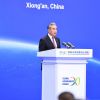 为完善全球治理汇智聚力为动荡变革世界增稳赋能
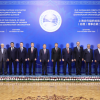 李强在上海合作组织成员国政府首脑(总理)理事会第二十五次会议上的讲话
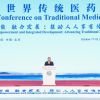 李强在2026世界传统医药大会开幕式上的致辞
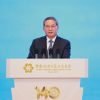 李强在第140届中国进出口商品交易会开幕式上的主旨演讲
 顺应发展潮流 勇担历史使命
 汇聚发展合力 共创美好未来