 热点词汇
热点词汇热词翻译:“政治化、武器化”英文怎么说?
“政治化、武器化”英文怎么说?
根据热词译领导讲话翻译数据库,在《凝聚同舟共济力量,共创金砖光明未来》的翻译中,“政治化、武器化”被翻译为:
政治化、武器化
politicization and weaponization
politicization and weaponization
例句如下:
要发挥能源、粮食安全合作的保障作用。金砖成员涵盖石油、小麦、大豆等大宗商品主要进出口国,要共同反对能源和粮食安全问题政治化、武器化,探索建立更稳固的金砖供需体系,维护全球产供链安全畅通。推动全球能源体系更加清洁、更可持续。
The crucial role of energy and food security cooperation should be harnessed. BRICS countries consist of major importers and exporters of commodities such as oil, wheat and soybean. We must oppose politicization and weaponization of energy and food security issues. We should explore the establishment of a more stable supply and demand system among BRICS countries and ensure secure and smooth functioning of global supply and industrial chains. We need to make the global energy system cleaner and more sustainable.
The crucial role of energy and food security cooperation should be harnessed. BRICS countries consist of major importers and exporters of commodities such as oil, wheat and soybean. We must oppose politicization and weaponization of energy and food security issues. We should explore the establishment of a more stable supply and demand system among BRICS countries and ensure secure and smooth functioning of global supply and industrial chains. We need to make the global energy system cleaner and more sustainable.
热词链接
“政治化、武器化”在其他来源中的翻译:
1 《2025年12月10日外交部发言人郭嘉昆主持例行记者会》中“政治化、武器化”的翻译
一些国家将人权问题政治化、武器化,对全球人权治理构成严峻挑战。有的国家不仅对侵略战争中犯下的细菌战、强征“慰安妇”、屠杀平民等历史罪行不思悔改,还在持续侵犯阿伊努人、琉球人等土著人权利,并出台歧视外国人的政策。我们敦促有关国家正视并解决其自身存在的严重人权问题,建设性参与国际人权合作,停止借所谓人权问题干涉别国内政。
Some countries politicize and weaponize human rights issues, which amount to a grave challenge to global human rights governance. Certain country refuses to repent for its past crimes, such as bacterial warfare, the forced recruitment of “comfort women” and the massacre of civilians during its war of aggression. Rather, they continue to infringe on the rights of indigenous people, such as the Ainu and indigenous Ryukyuans, and adopt policies that discriminate against foreigners. We urge the relevant country to face up to and resolve their own severe human rights issues, take a constructive part in the international cooperation in human rights, and stop interfering in other countries’ internal affairs under the pretext of so-called human rights issues.
Some countries politicize and weaponize human rights issues, which amount to a grave challenge to global human rights governance. Certain country refuses to repent for its past crimes, such as bacterial warfare, the forced recruitment of “comfort women” and the massacre of civilians during its war of aggression. Rather, they continue to infringe on the rights of indigenous people, such as the Ainu and indigenous Ryukyuans, and adopt policies that discriminate against foreigners. We urge the relevant country to face up to and resolve their own severe human rights issues, take a constructive part in the international cooperation in human rights, and stop interfering in other countries’ internal affairs under the pretext of so-called human rights issues.
2 《2025年11月13日外交部发言人林剑主持例行记者会》中“政治化、武器化”的翻译
中国对出口管制体系进行规范和完善,符合国际通行做法,目的是更好地维护世界和平与地区稳定,履行国际义务。所谓“中国产能过剩”和“非市场行为”已被事实证明是伪命题,完全不值一驳。七国集团应停止将经贸问题政治化、武器化,以免破坏国际经济秩序和全球产供链。
China’s measures to standardize and refine its export control system comply with international common practices and aim to better defend world peace and regional stability and to fulfill its international obligations. The so-called “China’s overcapacity” and “non-market practices” have been proven false by facts and have no merits at all. The G7 should stop politicizing and weaponizing trade issues to refrain from disrupting international economic order and global industrial and supply chains.
China’s measures to standardize and refine its export control system comply with international common practices and aim to better defend world peace and regional stability and to fulfill its international obligations. The so-called “China’s overcapacity” and “non-market practices” have been proven false by facts and have no merits at all. The G7 should stop politicizing and weaponizing trade issues to refrain from disrupting international economic order and global industrial and supply chains.
3 《2025年3月10日外交部发言人毛宁主持例行记者会》中“政治化、武器化”的翻译
中美经贸合作的本质是互利共赢。如果仅是一方受益,一方“吃亏”,不可能走到今天。整天把“吃亏”挂嘴上,追求绝对的对等贸易,违背了基本的经济常识,也低估了美国企业和消费者的判断力。无论美方如何包装,都掩盖不了将经贸问题政治化、武器化,实施对华遏制打压的企图。美方对全世界发起的贸易战打了这么多年,贸易逆差不降反升,去年仍高居9184亿美元。关税战也好,贸易战也罢,都是以损人开始,以害己告终。美方应该吸取教训,改弦易辙。
China-U.S. trade and economic ties benefit both sides. If one had been ripping the other off, there is no way the ties would have come this far as we see today. To call the economic ties a “rip-off” and pursue absolute reciprocity in trade goes against the most basic economic common sense and those who do so are underestimating the judgement of U.S. companies and consumers. No matter what the purported rationale is, it cannot hide the U.S.’s aim of politicizing and weaponizing trade issues to contain and go after China. It’s been years and years since the U.S. initiated the trade war against the rest of the world, yet it has not stopped U.S. trade deficit from going up and reaching US$918.4 billion last year. Whether it’s a tariff war or a trade war, they invariably start by hurting others before coming back to hurt the one who launched it. It’s time for the U.S. to learn its lesson and end this wrong practice.
China-U.S. trade and economic ties benefit both sides. If one had been ripping the other off, there is no way the ties would have come this far as we see today. To call the economic ties a “rip-off” and pursue absolute reciprocity in trade goes against the most basic economic common sense and those who do so are underestimating the judgement of U.S. companies and consumers. No matter what the purported rationale is, it cannot hide the U.S.’s aim of politicizing and weaponizing trade issues to contain and go after China. It’s been years and years since the U.S. initiated the trade war against the rest of the world, yet it has not stopped U.S. trade deficit from going up and reaching US$918.4 billion last year. Whether it’s a tariff war or a trade war, they invariably start by hurting others before coming back to hurt the one who launched it. It’s time for the U.S. to learn its lesson and end this wrong practice.
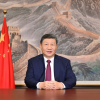 国家主席习近平发表二〇二六年新年贺词
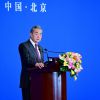 在历史演进重大关头开拓中国特色大国外交新境界
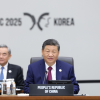 习近平在亚太经合组织第三十二次领导人非正式会议第一阶段会议上的讲话
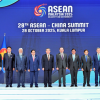 李强在第28次中国—东盟领导人会议上的讲话
 李强在第20届东亚峰会上的讲话