 热点词汇
热点词汇热词翻译:“逆历史潮流而动”英文怎么说?
“逆历史潮流而动”英文怎么说?
根据热词译领导讲话翻译数据库,在《弘扬和平共处五项原则 携手构建人类命运共同体》的翻译中,“逆历史潮流而动”被翻译为:
逆历史潮流而动
run counter to the tide of history
run counter to the tide of history
例句如下:
中国促进世界共同发展的决心不会改变。中国经济高质量发展为世界经济增长提供强劲动力。14亿多中国人民整体迈入现代化,意味着形成一个超过现有发达国家规模总和的巨大市场。中国开放的大门只会越开越大,永远不会关上。我们正在谋划和实施进一步全面深化改革的重大措施,继续扩大制度型开放,形成更加市场化、法治化、国际化的营商环境。搞“小院高墙”、“脱钩断链”,是逆历史潮流而动,只会损害国际社会共同利益。
China’s resolve to promote common development across the world will not change. High-quality development of the Chinese economy will provide strong impetus to world economic growth. Modernization achieved by 1.4 billion Chinese people means the addition of a new super-large market larger than all developed countries combined. China will only open itself ever wider to the outside world. Its door will never close. We are planning to take, and in some cases already taking, major steps to further deepen reform across the board and expand institutional opening up. We will build a business environment that is more solidly based on market and rule of law and is up to international standards. “Small yard with high fences,” decoupling, and severing industrial and supply chains simply run counter to the tide of history. They will do nothing but harm the common interests of the international community.
China’s resolve to promote common development across the world will not change. High-quality development of the Chinese economy will provide strong impetus to world economic growth. Modernization achieved by 1.4 billion Chinese people means the addition of a new super-large market larger than all developed countries combined. China will only open itself ever wider to the outside world. Its door will never close. We are planning to take, and in some cases already taking, major steps to further deepen reform across the board and expand institutional opening up. We will build a business environment that is more solidly based on market and rule of law and is up to international standards. “Small yard with high fences,” decoupling, and severing industrial and supply chains simply run counter to the tide of history. They will do nothing but harm the common interests of the international community.
热词链接
“逆历史潮流而动”在其他来源中的翻译:
1 《2026年5月6日外交部发言人林剑主持例行记者会》中“逆历史潮流而动”的翻译
斯威士兰一些政客受台豢养,为“台独”提供空间,是逆历史潮流而动,中方予以强烈谴责。近年来,我们不断听到台湾所谓“邦交国”各界民众关于发展对华关系的强烈呼声。是认清大势、顺应民意,还是继续被赖清德之流肆意利用,甘当“撑场面”的政治道具,这些国家的政客应该想想清楚,作出明智抉择,不要一条道走到黑。
Some politicians in Eswatini who are kept in Taiwan’s pay have been wrongly providing space for “Taiwan independence.” China strongly condemns it. In recent years, we’ve heard people from various sectors in so-called Taiwan’s “diplomatic allies” strongly call on their countries to grow ties with China. Which is the right thing to do? To see where the arc of history bends and follow their people’s will, or to continue serving as a political prop and keeping up the appearances for Lai Ching-te and his kind? The politicians in these countries need to come to the wise decision and stop going further down the doomed path.
Some politicians in Eswatini who are kept in Taiwan’s pay have been wrongly providing space for “Taiwan independence.” China strongly condemns it. In recent years, we’ve heard people from various sectors in so-called Taiwan’s “diplomatic allies” strongly call on their countries to grow ties with China. Which is the right thing to do? To see where the arc of history bends and follow their people’s will, or to continue serving as a political prop and keeping up the appearances for Lai Ching-te and his kind? The politicians in these countries need to come to the wise decision and stop going further down the doomed path.
2 《2026年4月22日外交部发言人郭嘉昆主持例行记者会》中“逆历史潮流而动”的翻译
郭嘉昆:非洲除斯威士兰外53国均同中国建交,并同非盟一道通过2024年中非合作论坛《北京宣言》,多次表示坚定奉行一个中国原则,重申世界上只有一个中国,台湾是中国领土不可分割的一部分,中华人民共和国政府是代表全中国的唯一合法政府,坚定支持中国政府为实现国家统一所作的一切努力。有关国家坚持一个中国原则,完全符合国际法和国际关系基本准则,中方表示高度赞赏。事实十分清楚,世界上早已不存在所谓“中华民国总统”,任何人以这种身份招摇撞骗,都是逆历史潮流而动,只会自取其辱。一个中国原则是人心所向、大势所趋、大义所在,任何人都无法阻挡中国终将统一的历史潮流。“台独”势力的分裂图谋只是螳臂当车,必将自取灭亡。
Guo Jiakun: All African countries, with the sole exception of Eswatini, have established diplomatic ties with China. These 53 countries together with the African Union have adopted the Beijing Declaration at the 2024 FOCAC Summit. They have reiterated on many occasions that they firmly uphold the one-China principle, there is but one China in the world, Taiwan is an inalienable part of China’s territory, the Government of the People’s Republic of China is the sole legal government representing the whole of China, and they firmly support all efforts by the Chinese government to achieve national reunification. China highly commends relevant countries’ commitment to the one-China principle which is fully consistent with international law and basic norms governing international relations. It’s very clear that there’s no longer a so-called “ROC president” in the world anymore. Anyone who wears that false title is acting against history and will only invite disgrace upon themselves. The one-China principle is where the arc of history bends and public opinion trends, and to uphold it is the right thing to do. No one can ever stop the eventual reunification of China. The separatist attempts aimed at “Taiwan independence” are just futile and doomed to fail.
Guo Jiakun: All African countries, with the sole exception of Eswatini, have established diplomatic ties with China. These 53 countries together with the African Union have adopted the Beijing Declaration at the 2024 FOCAC Summit. They have reiterated on many occasions that they firmly uphold the one-China principle, there is but one China in the world, Taiwan is an inalienable part of China’s territory, the Government of the People’s Republic of China is the sole legal government representing the whole of China, and they firmly support all efforts by the Chinese government to achieve national reunification. China highly commends relevant countries’ commitment to the one-China principle which is fully consistent with international law and basic norms governing international relations. It’s very clear that there’s no longer a so-called “ROC president” in the world anymore. Anyone who wears that false title is acting against history and will only invite disgrace upon themselves. The one-China principle is where the arc of history bends and public opinion trends, and to uphold it is the right thing to do. No one can ever stop the eventual reunification of China. The separatist attempts aimed at “Taiwan independence” are just futile and doomed to fail.
3 《2026年2月9日外交部发言人林剑主持例行记者会》中“逆历史潮流而动”的翻译
林剑:当年日本军国主义分子曾把日本引向侵略战争歧途,对亚洲邻国和世界犯下滔天罪行,也给日本人民带来深重灾难。历史教训十分深刻,以史为鉴,方能面向未来。日本是坚持走和平发展道路,以实际行动取信周边邻国和国际社会,还是逆历史潮流而动,挑战战后国际秩序,这值得日本为政者和日本各界有识之士深思。
Lin Jian: Japanese militarists once led Japan to the war of aggression, committed horrendous crimes against Japan’s Asian neighbors and the world, and also inflicted untold suffering on the Japanese people. No one should forget the potent lessons of history. Only by truly learning those lessons can one look to the future. Whether Japan will stick to the path of peaceful development and take concrete actions to earn the trust of its Asian neighbors and the international community, or go against the trend of history and challenge the post-war international order, is a serious question for those running the Japanese government and people with insights in Japan.
Lin Jian: Japanese militarists once led Japan to the war of aggression, committed horrendous crimes against Japan’s Asian neighbors and the world, and also inflicted untold suffering on the Japanese people. No one should forget the potent lessons of history. Only by truly learning those lessons can one look to the future. Whether Japan will stick to the path of peaceful development and take concrete actions to earn the trust of its Asian neighbors and the international community, or go against the trend of history and challenge the post-war international order, is a serious question for those running the Japanese government and people with insights in Japan.
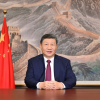 国家主席习近平发表二〇二六年新年贺词
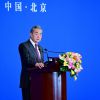 在历史演进重大关头开拓中国特色大国外交新境界
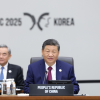 习近平在亚太经合组织第三十二次领导人非正式会议第一阶段会议上的讲话
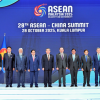 李强在第28次中国—东盟领导人会议上的讲话
 李强在第20届东亚峰会上的讲话