 翻译数据库
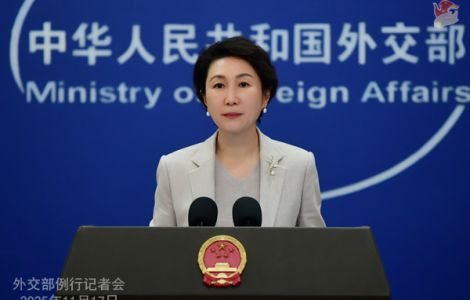
翻译数据库中英对照:2025年11月17日外交部发言人毛宁主持例行记者会
Foreign Ministry Spokesperson Mao Ning’s Regular Press Conference on November 17, 2025
应吉尔吉斯斯坦外长库鲁巴耶夫、乌兹别克斯坦外长赛义多夫、塔吉克斯坦外长穆赫里丁邀请,中共中央政治局委员、外交部长王毅将于11月19日至22日访问吉尔吉斯斯坦、乌兹别克斯坦、塔吉克斯坦并分别同三国外长举行战略对话。
At the invitation of Kyrgyzstan’s Minister of Foreign Affairs Zheenbek Kulubaev, Uzbekistan’s Minister of Foreign Affairs Bakhtiyor Saidov, and Tajikistan’s Minister of Foreign Affairs Sirojiddin Muhriddin, Member of the Political Bureau of the CPC Central Committee and Minister of Foreign Affairs Wang Yi will visit the three countries and hold strategic dialogues respectively with their foreign ministers from November 19 to 22.
新华社记者中方发布了王毅外长访问吉尔吉斯斯坦、乌兹别克斯坦、塔吉克斯坦并分别同三国外长举行战略对话的消息,请简要介绍此访的背景及中方对此访的期待。
Xinhua News Agency China announced that Foreign Minister Wang Yi will visit Kyrgyzstan, Uzbekistan and Tajikistan and hold strategic dialogues with his counterparts in the three countries respectively. Could you share with us the background of the visits? What does China expect to achieve?
毛宁吉尔吉斯斯坦、乌兹别克斯坦、塔吉克斯坦是中国的友好邻邦和全面战略伙伴。今年以来,习近平主席分别同扎帕罗夫总统、米尔济约耶夫总统、拉赫蒙总统多次会晤,引领中吉、中乌、中塔关系发展迈上新台阶。
Mao Ning Kyrgyzstan, Uzbekistan and Tajikistan are China’s friendly neighbors and comprehensive strategic partners. Since the beginning of this year, President Xi Jinping has met with President Sadyr Japarov, President Shavkat Mirziyoyev, and President Emomali Rahmon more than once. Under their guidance, China’s relations with the three countries have been elevated to a new stage.
为落实元首共识,中共中央政治局委员、外交部长王毅将访问三国并分别同三国外长举行战略对话,就双边关系及共同关心的国际和地区问题交换意见。
To implement President Xi Jinping’s common understandings with the three presidents, Member of the Political Bureau of the CPC Central Committee and Minister of Foreign Affairs Wang Yi will visit the three countries and hold strategic dialogues with his counterparts in the three countries. They will exchange their views on bilateral relations and international and regional issues of mutual interest.
中方相信,此访将全面落实第二届中国—中亚峰会成果和习近平主席同三国元首达成的共识,以中国—中亚精神为遵循,增进政治互信和传统友好,深化高质量共建“一带一路”合作,为推进中国—中亚命运共同体和双边命运共同体建设注入更多正能量。
China believes that the visit will fully implement the outcomes of the second China-Central Asia Summit and the common understandings between President Xi Jinping and the three presidents, act on the China-Central Asia Spirit, enhance political mutual trust and traditional friendship, deepen high-quality Belt and Road cooperation, and bring about more positivity to the building of the China-Central Asia community with a shared future and the community with a shared future between China and the three countries.
总台央视记者日前,个别日本政客称中方对高市早苗涉台错误言论“反应过度”。日本内阁官房长官木原稔也辩称,日本政府在台湾问题上的立场没有改变,与1972年《中日联合声明》一致。中方对此有何回应?
CCTV Several days ago, some individual Japanese politician said China was “overreacting” to Sanae Takaichi’s remarks on Taiwan. Japan’s Chief Cabinet Secretary Minoru Kihara said the Japanese government’s position on the Taiwan question remains unchanged and is consistent with the 1972 Sino-Japanese Joint Statement. What is China’s response?
毛宁对于日本首相高市早苗的涉台错误言论,中方已多次阐明严正立场。有关言论严重违背中日四个政治文件精神,从根本上损害中日关系政治基础。
Mao Ning China has made its serious position clear several times on Japanese Prime Minister Sanae Takaichi’s wrongful remarks on Taiwan. The remarks seriously violate the spirit of the four political documents between China and Japan, and cause fundamental damage to the political foundation of China-Japan relations.
中日探讨复交时,中方明确提出“复交三原则”,即中华人民共和国政府是代表中国人民的唯一合法政府;台湾省是中华人民共和国领土不可分割的一部分;所谓“日蒋条约”非法无效,应予废除。
During the discussions on resuming China-Japan diplomatic ties, China explicitly put forth three principles: the Government of the People’s Republic of China is the sole and legal government representing the Chinese people; the Taiwan Province is an inalienable part of the territory of the People’s Republic of China; and the so-called “Taiwan-Japan Treaty” is illegal and invalid and must be abrogated.
1972年,《中日联合声明》签订,两国正式建立外交关系。联合声明共有三处涉及台湾问题,一是在前言部分写明,“日本方面重申站在充分理解中华人民共和国政府提出的‘复交三原则’的立场上,谋求实现中日邦交正常化这一见解”;二是在声明第二条写明,“日本国政府承认中华人民共和国政府是中国的唯一合法政府”;三是在声明第三条写明,“中华人民共和国政府重申:台湾是中华人民共和国领土不可分割的一部分。日本国政府充分理解和尊重中国政府的这一立场,并坚持遵循波茨坦公告第八条的立场”。
In 1972, the two countries signed the Sino-Japanese Joint Statement and officially established diplomatic relations. Three places in the Joint Statement are related to the Taiwan question. First, in the opening paragraphs, it is written that the Japanese side “reaffirms its position that it intends to realize the normalization of relations between the two countries from the stand of fully understanding ‘the three principles for resuming diplomatic relations’ put forward by the Government of the People’s Republic of China.” Then Article 2 says that “the Government of Japan recognizes that Government of the People’s Republic of China as the sole legal Government of China.” And Article 3 says that “the Government of the People’s Republic of China reiterates that Taiwan is an inalienable part of the territory of the People’s Republic of China. The Government of Japan fully understands and respects this stand of the Government of the People’s Republic of China, and it firmly maintains its stand under Article 8 of the Potsdam Proclamation.”
1978年,中日签订《和平友好条约》,明确指出“《中日联合声明》是两国间和平友好关系的基础,联合声明所表明的各项原则应予严格遵守”,从法律上确认了联合声明的各项原则和内容,为中日关系确立了法律规范。
In 1978, the two countries signed the Treaty of Peace and Friendship Between China and Japan, which explicitly stated that the Sino-Japanese Joint Statement “constitutes the basis for relations of peace and friendship between the two countries and that the principles set out in that statement should be strictly observed.” The treaty affirmed the principles and contents of the joint statement in legal terms and set out the legal parameters for China-Japan relations.
注:为确保中英对照准确,“热词译”网站可能对中英文重新分段。