 热点词汇
热词翻译:“形式主义、官僚主义、享乐主义和奢靡之风”英文怎么说?
“形式主义、官僚主义、享乐主义和奢靡之风”英文怎么说?
根据热词译文件报告翻译数据库,在《中共中央关于党的百年奋斗重大成就和历史经验的决议》的翻译中,“形式主义、官僚主义、享乐主义和奢靡之风”被翻译为:
形式主义、官僚主义、享乐主义和奢靡之风
pointless formalities, bureaucratism, hedonism, and extravagance
pointless formalities, bureaucratism, hedonism, and extravagance
例句如下:
同时,由于一度出现管党不力、治党不严问题,有些党员、干部政治信仰出现严重危机,一些地方和部门选人用人风气不正,形式主义、官僚主义、享乐主义和奢靡之风盛行,特权思想和特权现象较为普遍存在。特别是搞任人唯亲、排斥异己的有之,搞团团伙伙、拉帮结派的有之,搞匿名诬告、制造谣言的有之,搞收买人心、拉动选票的有之,搞封官许愿、弹冠相庆的有之,搞自行其是、阳奉阴违的有之,搞尾大不掉、妄议中央的也有之,政治问题和经济问题相互交织,贪腐程度触目惊心。这“七个有之”问题严重影响党的形象和威信,严重损害党群干群关系,引起广大党员、干部、群众强烈不满和义愤。
However, there was a certain period in which we failed to supervise Party organizations effectively or govern them with the necessary stringency. This resulted in a serious lack of political conviction among some Party members and officials, misconduct in the selection and appointment of personnel in some localities and government departments, a blatant culture of pointless formalities, bureaucratism, hedonism, and extravagance, and a prevalence of privilege-seeking attitudes and behavior. To be more specific, some officials engaged in cronyism and ostracized those outside of their circle; some formed self-serving cliques; some anonymously lodged false accusations and fabricated rumors; some sought to buy popular support and rig elections in their favor; some promised official posts and lavished praise on each other for their promotions; some did things their own way and feigned compliance with policies while acting counter to them; and some got too big for their boots and made presumptuous comments on the decisions of the Central Committee. Such misconduct interwoven with political and economic issues led to a startling level of corruption that damaged the Party’s image and prestige and severely undermined relations between the Party and the people and between officials and the people, arousing the discontent and indignation of many Party members, officials, and members of the public.
However, there was a certain period in which we failed to supervise Party organizations effectively or govern them with the necessary stringency. This resulted in a serious lack of political conviction among some Party members and officials, misconduct in the selection and appointment of personnel in some localities and government departments, a blatant culture of pointless formalities, bureaucratism, hedonism, and extravagance, and a prevalence of privilege-seeking attitudes and behavior. To be more specific, some officials engaged in cronyism and ostracized those outside of their circle; some formed self-serving cliques; some anonymously lodged false accusations and fabricated rumors; some sought to buy popular support and rig elections in their favor; some promised official posts and lavished praise on each other for their promotions; some did things their own way and feigned compliance with policies while acting counter to them; and some got too big for their boots and made presumptuous comments on the decisions of the Central Committee. Such misconduct interwoven with political and economic issues led to a startling level of corruption that damaged the Party’s image and prestige and severely undermined relations between the Party and the people and between officials and the people, arousing the discontent and indignation of many Party members, officials, and members of the public.
热词链接
“形式主义、官僚主义、享乐主义和奢靡之风”在其他来源中的翻译:
1 《中共中央关于持之以恒推进全面从严治党若干重大问题的决定》中“形式主义、官僚主义、享乐主义和奢靡之风”的翻译
从党内看,党的队伍发生结构性变化,改革开放后出生的党员、干部比例越来越大,对教育管理提出新的要求。党的队伍主流是好的,但思想不纯、组织不纯、作风不纯问题尚未根本解决。部分党员、干部素质和能力不适应时代发展要求。少数党员、干部包括高级干部党性不强,理想信念动摇甚至缺失,群众感情淡薄,政绩观出现偏差,形式主义、官僚主义、享乐主义和奢靡之风严重,斗争精神不足,不担当不作为,不守纪律规矩,甚至以权谋私、腐化堕落。
Within the Party, membership is undergoing structural changes, with a steady increase in the proportion of members and officials born after the launch of reform and opening up in 1978. This has raised new requirements for education and management. The vast majority of Party members are exemplary, but the problems of defects in thinking, organization, and conduct have yet to be solved root and branch. The caliber and competence of some members and officials have not kept up with the evolving times. A small number of members and officials, including high-ranking officials, are performing poorly in upholding the Party spirit, wavering in or even losing their ideals and convictions; some are indifferent to the people and hold incorrect views of performance, indulging in a culture of pointless formalities, bureaucratism, hedonism, and extravagance; and some lack a fighting spirit, shirk their responsibilities or duties, and refuse to abide by discipline and rules, even going so far as to abuse power for personal gain, engage in corruption, and sink into immorality.
Within the Party, membership is undergoing structural changes, with a steady increase in the proportion of members and officials born after the launch of reform and opening up in 1978. This has raised new requirements for education and management. The vast majority of Party members are exemplary, but the problems of defects in thinking, organization, and conduct have yet to be solved root and branch. The caliber and competence of some members and officials have not kept up with the evolving times. A small number of members and officials, including high-ranking officials, are performing poorly in upholding the Party spirit, wavering in or even losing their ideals and convictions; some are indifferent to the people and hold incorrect views of performance, indulging in a culture of pointless formalities, bureaucratism, hedonism, and extravagance; and some lack a fighting spirit, shirk their responsibilities or duties, and refuse to abide by discipline and rules, even going so far as to abuse power for personal gain, engage in corruption, and sink into immorality.
2 《中国共产党章程》中“形式主义、官僚主义、享乐主义和奢靡之风”的翻译
(五)正确行使人民赋予的权力,坚持原则,依法办事,清正廉洁,勤政为民,以身作则,艰苦朴素,密切联系群众,坚持党的群众路线,自觉地接受党和群众的批评和监督,加强道德修养,讲党性、重品行、作表率,做到自重、自省、自警、自励,反对形式主义、官僚主义、享乐主义和奢靡之风,反对特权思想和特权现象,反对任何滥用职权、谋求私利的行为。
5) Exercise the power vested in them by the people as it should be exercised, be principled, handle matters in accordance with the law, practice honesty and integrity, work diligently for the people, lead by example, work hard and live plainly, maintain close ties with the people, uphold the Party’s mass line, consciously accept the criticism and oversight of the Party and the people, strengthen their moral self-cultivation, espouse the Party spirit and high ethical standards, be a role model, exercise self-respect, self-reflection, self-caution, and self-motivation, combat the practice of formalities for formalities’ sake, bureaucratism, hedonism, and extravagance, and oppose privilege-seeking mindsets and practices and any act of abusing power for personal gain.
5) Exercise the power vested in them by the people as it should be exercised, be principled, handle matters in accordance with the law, practice honesty and integrity, work diligently for the people, lead by example, work hard and live plainly, maintain close ties with the people, uphold the Party’s mass line, consciously accept the criticism and oversight of the Party and the people, strengthen their moral self-cultivation, espouse the Party spirit and high ethical standards, be a role model, exercise self-respect, self-reflection, self-caution, and self-motivation, combat the practice of formalities for formalities’ sake, bureaucratism, hedonism, and extravagance, and oppose privilege-seeking mindsets and practices and any act of abusing power for personal gain.
3 《习近平在中国共产党第二十次全国代表大会上的报告》中“形式主义、官僚主义、享乐主义和奢靡之风”的翻译
党内存在不少对坚持党的领导认识模糊、行动乏力问题,存在不少落实党的领导弱化、虚化、淡化问题,有些党员、干部政治信仰发生动摇,一些地方和部门形式主义、官僚主义、享乐主义和奢靡之风屡禁不止,特权思想和特权现象较为严重,一些贪腐问题触目惊心;
Inside the Party, there were many issues with respect to upholding the Party’s leadership, including a lack of clear understanding and effective action as well as a slide toward weak, hollow, and watered-down Party leadership in practice. Some Party members and officials were wavering in their political conviction. Despite repeated warnings, pointless formalities, bureaucratism, hedonism, and extravagance persisted in some localities and departments. Privilege-seeking mindsets and practices posed a serious problem, and some deeply shocking cases of corruption had been uncovered.
Inside the Party, there were many issues with respect to upholding the Party’s leadership, including a lack of clear understanding and effective action as well as a slide toward weak, hollow, and watered-down Party leadership in practice. Some Party members and officials were wavering in their political conviction. Despite repeated warnings, pointless formalities, bureaucratism, hedonism, and extravagance persisted in some localities and departments. Privilege-seeking mindsets and practices posed a serious problem, and some deeply shocking cases of corruption had been uncovered.
 为完善全球治理汇智聚力为动荡变革世界增稳赋能
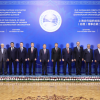 李强在上海合作组织成员国政府首脑(总理)理事会第二十五次会议上的讲话
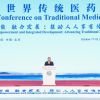 李强在2026世界传统医药大会开幕式上的致辞
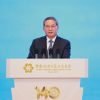 李强在第140届中国进出口商品交易会开幕式上的主旨演讲
 顺应发展潮流 勇担历史使命
 汇聚发展合力 共创美好未来