 翻译数据库
翻译数据库中英对照:2026年6月2日外交部发言人毛宁主持例行记者会 [2]
Foreign Ministry Spokesperson Mao Ning’s Regular Press Conference on June 2, 2026 [2]
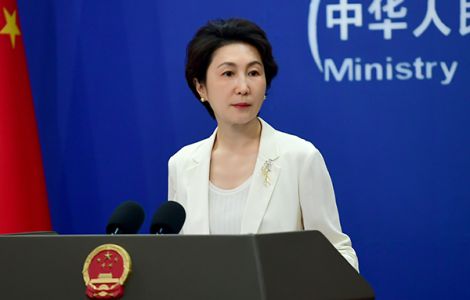
毛宁这位菲律宾防长多次发表涉华谬论。你刚才提到他的有关最新表态再次表明,此人完全不顾菲民生福祉,完全没有任何知恩感恩之心,只有个人私利,甚至不惜拿民生问题搞政治作秀,严重损害中菲关系和双方互信,也完全不符合菲国家和人民利益。菲方应当认真反思,如果放任这样的人为所欲为,中方如何继续向菲提供物资和援助?最终买单的是谁?损害的又是谁的利益?
Mao Ning This Philippine defense secretary is known to vilify China. His latest rhetoric that you mentioned once again shows his complete disregard of the welfare of the Philippine people and lack of appreciation for kindness. All he cares is selfish personal gains to the point that he would perform political theatrics even when people’s well-being is at stake. What he does is seriously detrimental to China-Philippines ties and trust and not at all in the interest of his own country and people. The Philippine side needs to ask themselves: if people like him are allowed to do whatever they want, how exactly can China continue to provide supplies and aid to the Philippines? Who should pay the price? Whose interests will be in jeopardy?
菲方领导人多次表态愿同中方妥处分歧、推动双边关系缓和。希望菲方言行一致,严格约束官员言行,不要任由个别跳梁小丑一再破坏双方稳定关系的努力。
The leader of the Philippines has expressed on multiple occasions readiness to properly handle differences with China and ease the tension in bilateral relations. We hope the Philippine side will match those words with concrete actions, keep officials’ rhetoric and behavior in line and not let certain individuals jeopardize again and again the efforts of the two sides to stabilize ties.
日本电视网记者据报道,朝鲜方面似乎在为中国领导人的访问作准备。外交部能否提供相关信息?
Nippon TV It is reported that in North Korea there has been a move which is considered to be a preparation for Chinese leader’s visit. Does the foreign ministry have any information you can share?
毛宁我没有可以提供的信息。
Mao Ning I have nothing to share.
新华社记者日前,高市早苗在社交平台上发文称,在战后最严峻的安保环境下,为了防卫而提升威慑力、防范纷争于未然,正是修改“防卫装备转移三原则”的本质。近期美国防长赫格塞思公开欢迎日本修改“防卫装备转移三原则”,称支持日本扩大军事合作。国际上有声音认为,日本强化防卫能力是为了制衡和遏制中国。发言人对此有何评论?
Xinhua News Agency Sanae Takaichi posted on social media that the review of the three principles on defense equipment transfer is, in essence, aimed at enhancing deterrence for the sake of “defense” and preventing conflicts before they occur, amid the most severe security environment since the end of the war. Last week, U.S. Defense Secretary Pete Hegseth welcomed this Japanese initiative and agreed to strengthen military cooperation with Japan. Some believe that Japan is bolstering its defense capabilities to counter and contain China. What’s your comment?
毛宁炒作外部威胁,为扩军备战找借口,是日本军国主义的惯用手法。《波茨坦公告》等国际文件明确规定,日本须完全解除武装,不得维持能使其重新武装的产业,这是日本的国际法义务。然而,日本解禁杀伤性武器出口,强化军工产业,安保政策加速向进攻性转变,这一系列危险动向同二战前军国主义筹备发动战争的过程何其相似。历史上对军国主义的绥靖纵容教训惨痛。殷鉴不远,军国主义的“魔盒”一旦打开,没有任何人可以独善其身,终将养虎为患。
Mao Ning Fear-mongering of so-called threats to justify military buildup is a go-to tactic for Japanese militarism. As explicitly stipulated in international instruments such as the Potsdam Proclamation, Japan is obligated under international law to be “completely disarmed” and not to maintain industries that “would enable her to re-arm for war.” Japan, however, has been lifting the ban on lethal weapon export, rebuilding the war machine, and rapidly shifting to offense-oriented security and defense policies. Those dangerous moves bear an alarming resemblance to the course of actions taken by militarists in pre-war Japan. History has taught the world a painful lesson on appeasing and condoning militarism. Once that Pandora’s box is opened, no one will be safe from the danger of raising a monster.
注:为确保中英对照准确,“热词译”网站可能对中英文重新分段。